

The following article gathers the opinion from World Trade Centres Association Asia Pacific Vice President Scott Wang, WTCA consultant Martin Ibarra and World Trade Centre Kuala Lumpur Group Managing Director Datuk Seri Dr Irmohizam Ibrahim
As global supply chains recalibrate amid geopolitical uncertainty and the race for advanced manufacturing intensifies, Malaysia stands at a strategic crossroads. With 46 free trade zones (FTZs) and a legacy of export-driven industrialisation, the country has both the foundation and the momentum to position itself as a regional powerhouse in high-value manufacturing, logistics, green supply chains and digital trade.
Industry leaders from the World Trade Centres Association (WTCA) and World Trade Centre Kuala Lumpur (WTCKL) say the time is ripe for Malaysia to reimagine how FTZs can supercharge economic growth; not only through incentives, but by transforming into innovation-driven industrial ecosystems connected to global markets.
Malaysia’s strategic advantages in a rewiring global supply chain
According to WTCA Asia Pacific Vice President Scott Wang, the restructuring of global supply chains will not diminish Asia Pacific’s role as the epicentre of global trade. Instead, it is creating new routes for investments, production networks and cross-border integration.
“As multinational corporations seek diversification to reduce geopolitical risks and enhance resilience, Malaysia is uniquely positioned to gain from the current shift given its solid port connectivity, talent pool of skillful workers and policy incentives,” he says. Malaysia’s existing “knowledge-driven industrial base” makes it a magnet for high-value sectors such as semiconductors, electric vehicles, electronics, new energy and logistics.
With FTZs accounting for nearly 20% of global trade in goods, the WTCA believes these hubs will play an increasingly important role in shaping Malaysia’s competitiveness. Wang highlights that WTCA’s global network, which spans 300 cities in nearly 100 countries, provides access to a powerful trade ecosystem that can elevate Malaysian FTZs on the world stage.
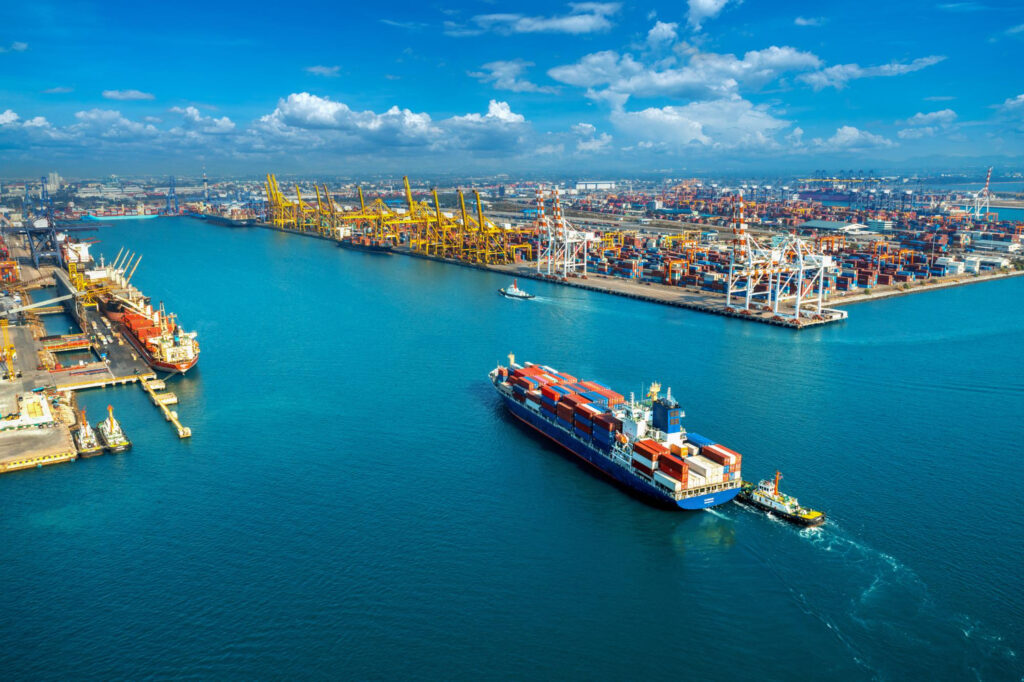
“Combining Malaysia’s FTZ capacity, major ports and competitiveness in cost and talent pool with WTCA’s trusted network could turn Malaysia from a national hub into a regional gateway,” he notes. The goal: Attracting higher-value tenants, strengthening supply chain integration, and expanding Malaysia’s role in Asia’s trade architecture.
Beyond incentives: The rise of innovation-driven free zones
Global trends show that FTZs are no longer competing on tax incentives alone. Instead, they are becoming strategic platforms for next-generation industrial ecosystems built on technology, sustainability and strategic industry clustering.
WTCA consultant and founding member of the World Free Zones Organisation Martin Ibarra says the “incentive-only” era is over.
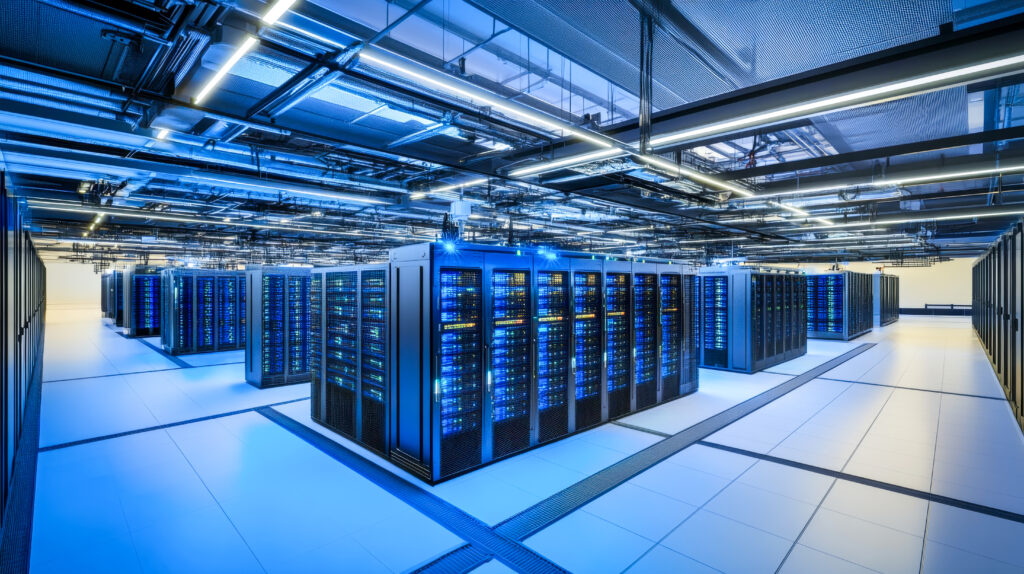
“Modern free zones have evolved into laboratories for internationalisation and platforms for next-generation industrial development,” he explains. Malaysia, he adds, is well placed to lead, particularly in renewable energy, energy transition, data-centre growth, electric vehicles and high-tech manufacturing.
Ibarra points out that Malaysia’s FTZ legacy dates back to the 1970s, when visionary policies transformed the nation into a global semiconductor hub. This history, he argues, must now evolve in line with Industry 4.0 and global sustainability priorities.
“Although traditional income tax incentives have lost some of their former impact, foreign trade facilitation remains crucial,” he says. Globally, leading FTZs are adopting real-time traceability systems, digital customs integration and single-window platforms, which are tools that enhance efficiency and support increasingly regionalised value chains.
Malaysia’s 46 FTZs, he believes, can be repositioned to anchor emerging industries, benchmark global best practices, and spearhead new models of sustainable industrialisation that surpass regional competitors such as Thailand, Vietnam, South Korea and China’s Hainan Free Trade Port.
Digitalisation and sustainability: The new competitive edge
Digital transformation is reshaping FTZ competitiveness around the world. Top-performing zones in the US, China, United Arab Emirates, Singapore and Hong Kong have advanced deep interoperability between customs systems and FTZ operators; enabling real-time monitoring, digital audits and automated risk management powered by artificial intelligence.
Malaysia is already on this path through initiatives such as the Digital Free Trade Zone, which integrates logistics infrastructure with digital platforms to support e-commerce and strengthen small and medium enterprises export capabilities.
Ibarra underscores that the next step is scaling these capabilities across all FTZs through digital twins, IoT-driven logistics and seamless customs connectivity.
On sustainability, global best-in-class FTZs are adopting shared waste management systems, solar powered fleets, wastewater treatment, sustainable mobility and international environmental certifications. Malaysia, he says, should build a strategic roadmap to pilot these innovations across select zones before scaling nationwide.
“If Malaysia combines technological investment, institutional reforms and strong public–private cooperation, the transition towards fully digital, transparent and sustainable free trade zones is not only feasible but strategically advantageous,” he emphasises.
WTCKL: Malaysia’s connector between FTZs and global investors
As Malaysia accelerates efforts to attract high-value industries, physical and institutional platforms that link domestic FTZs with international decision makers will be vital. This is where the World Trade Centre Kuala Lumpur (WTCKL) is playing a transformative role.
According to WTCKL Group Managing Director and WTCA board member Datuk Seri Dr Irmohizam Ibrahim, the centre is more than a venue; it is a neutral hub that brings government, industry and global partners together to discuss Malaysia’s long-term economic agenda.
“WTCKL serves as a strategic platform where policymakers, business leaders and investors engage in meaningful dialogues that support Malaysia’s long-term economic agenda,” he says.
Through the WTCA network, Malaysian agencies gain direct access to international decision makers, enabling deeper promotion of the country’s investment opportunities.
WTCKL also plays a crucial role in driving investor confidence by hosting high-impact trade shows, industry conferences and global delegations that spotlight Malaysia’s strengths in logistics, advanced manufacturing and supply chain connectivity.
Looking ahead, he reveals that WTCKL is expanding its international engagement through new showcases, roadshows and global partnership initiatives to ensure Malaysia’s FTZs remain competitive and top-of-mind among global investors.
Positioning Malaysia for the next wave of global investment
What emerges from these perspectives is clear: Malaysia’s FTZs are no longer just trade infrastructure. They are strategic assets that can propel the nation into the next era of high-value economic growth.
By integrating global connectivity, accelerating digitalisation, strengthening sustainability practices and leveraging platforms like WTCKL to attract top-tier investors, Malaysia has an opportunity to redefine its role in global value chains.
The world is shifting towards more resilient, sustainable and technology-driven trade ecosystems. With the right investments and collaboration, Malaysia’s FTZs can be at the heart of that transformation to unlock new industries, deepen regional integration and power the country’s economic future.